

W-Class 3D seismic vessels are the fifth generation of the Ramform series. Owned by Petroleum Geo-Services (PGS), the Ramform series is believed to be the most advanced seismic fleet of vessels in the world. Nine Ramform vessels are currently owned and operated by PGS.
PGS signed a contract with the Japanese shipbuilder Mitsubishi Heavy Industries in April 2011 to assemble two Ramform W-Class vessels. The contractual agreement also includes an option for two more vessels, to be built within one year of signing of the final contract. The construction cost, including commissioning and seismic package of each of the new generation Ramform ships, is estimated to be $285m.
Recommended White Papers

Recommended Buyers Guides

Ramform W-Class vessels are being constructed at MHI’s Nagasaki Shipyard in accordance with DNV’s classification standards. The first vessel, Ramform Titan, was handed over in April 2013 .
The second vessel, Ramform Atlas, was delivered in January 2014. The additional two vessels, Ramform Tethysand the Ramform Hyperion, will be delivered in 2016. With new generation Ramform vessels, PGS aspires to strengthen its hold in the three-dimensional seismic acquisition business.
Unique hull design of PGS’s next generation Ramform series ships
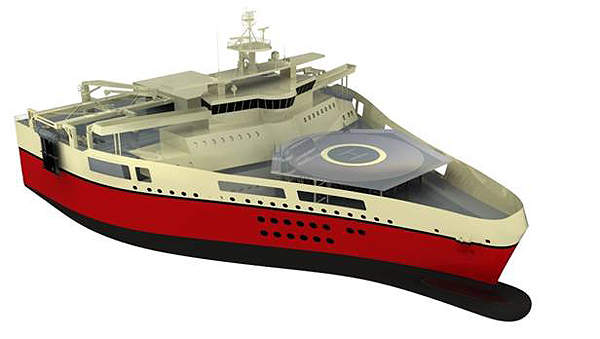
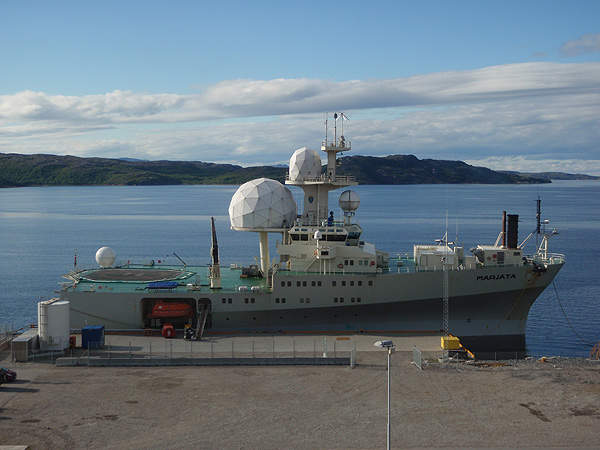
The unique hull shape of the Ramform Class vessels was originally drawn from Marjata, a Norwegian electronic intelligence (ELINT) collection vessel. The curved waterline of Ramform ships allows them to achieve stable motion.
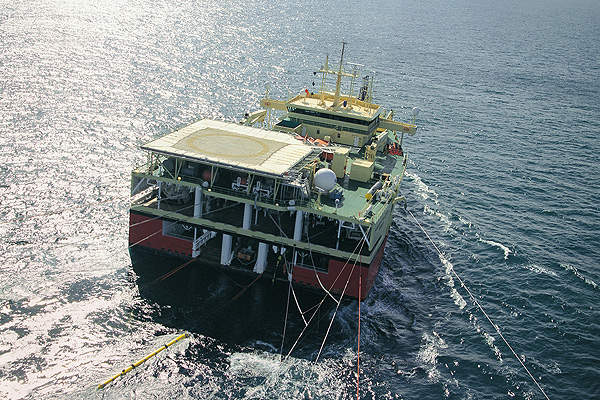
The immense back deck of the vessel facilitates installation of a number of pieces of equipment. Streamers and source arrays can be handled efficiently and safely from two separate deck levels, while a work boat can be operated from protected areas at the waterline.
The 5G Ramforms have wider hull form compared with the existing series. With the wider hull design, PGS intends to deploy ultra-wide streamer tows to acquire higher resolution data and higher streamer counts.
Streamers is towed from the vessel’s stern via multiple streamer cables (up to 24), each measuring thousands of metres in length. The two W-Class vessels are installed with ballast systems, each rated at 400m³/h, supplied by Optimarin. Each vessel is equipped with two davits to be supplied by Vestdavit.
The vessels also feature a helicopter deck capable of handling Super Puma / EH-101 type helicopters.
Technical specifications and capacities of Petroleum Geo-Services’ vessels
The new 5G Ramforms have an overall length of 104.2m and width of 70m. Design draught of the vessels is 6.4m.
Fuel capacity of 6,000m³ allows marine operation of the vessels continuously for 150 days. The transit speed of the vessels is 16kt.
The vessels are capable of accommodating 80 people. There are 60 single and ten double cabins onboard.
Propulsion for the fifth generation W-Class 3D seismic vessels
The new Ramforms are outfitted with a diesel-electric propulsion system. The power plant comprises six main engines, each capable of generating 3,840kW. The main propulsion system includes three controllable pitch propellers (CPP) with nozzle and propeller shafts.
The propulsion and electrical systems for the first two vessels was supplied by ABB under a $24m contract.
Communication and infotainment system from Ulstein Power & Control
Ulstein Group’s Ulstein Power & Control supplies the communication and infotainment system for the new W-Class ships being built for PGS. The delivery package also includes on-demand internet protocol television (IPTV), a redundant public address system, CCTV and a battery-free telephone.
Back-deck handling systems for the Norwegian Ramform series vessels
The complete back-deck handling systems for the two PGS W-Class vessels of the Ramform series were delivered by Evotec. The company’s scope of delivery included auxiliary handling systems, streamer handling systems, wide tow-deflector handling systems, gun handling systems, hydraulic power units, lead-in handling systems and a radio remote control system.