
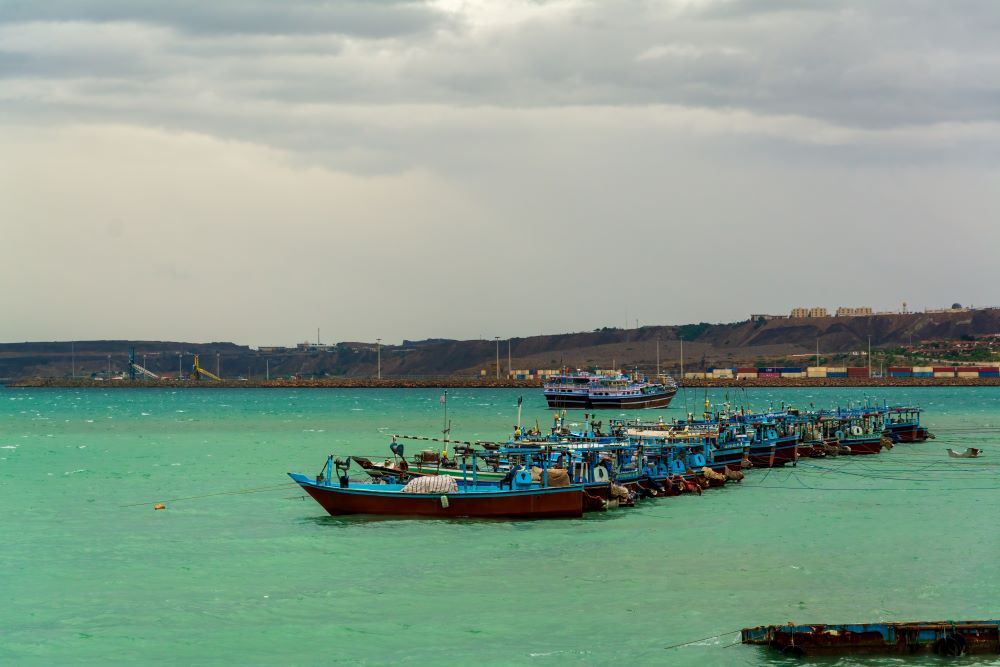
Iran’s Port and Maritime Organisation (PMO) head has reported the country’s investment in the nation’s commercial fleet, according to the country’s main news agency.
The Islamic Republic News Agency (IRNA) noted a speech made by Ali Akbar Safaei, director of the Iranian PMO. Safaei said the nation has invested approximately $1m on several new vessels since 2021.
Go deeper with GlobalData


Discover B2B Marketing That Performs
Combine business intelligence and editorial excellence to reach engaged professionals across 36 leading media platforms.
The timescale of the update coincides with two years in power for President Ebrahim Raisi, who took office in August 2021.
Safaei did not divulge details or numbers aside from the rough figure on expenditure, but IRNA reported the PMO chief declaring “many ships have been bought”, with some delivered and others “being transferred” to the country’s ports.
The PMO director said the vessels would be used in the Caspian Sea, north of Iran and in the Gulf of Oman and the Persian Gulf, south of the nation.
He added that nearly 50 vessels are being constructed in Iran.
According to statistics provided by the United Nations Conference on Trade and Development, Iran’s commercial shipping fleet grew 4.6% in 2021 – the latest year figures were available.
In 2021, the Iranian fleet was dominated by oil tankers, making up 15m DWT of a total of 20m DWT.


