Let’s discuss mental health: Assisting seafarers with their mental wellbeing
The impact of the Covid-19 pandemic has resulted in thousands of seafarers becoming stranded onboard vessels for months at a time, which has been detrimental to their mental health. Companies such as Mental Health Support Solutions provide various services and support to assist seafarers struggling with their mental health, offering them a 24-hour help line and psychological support.
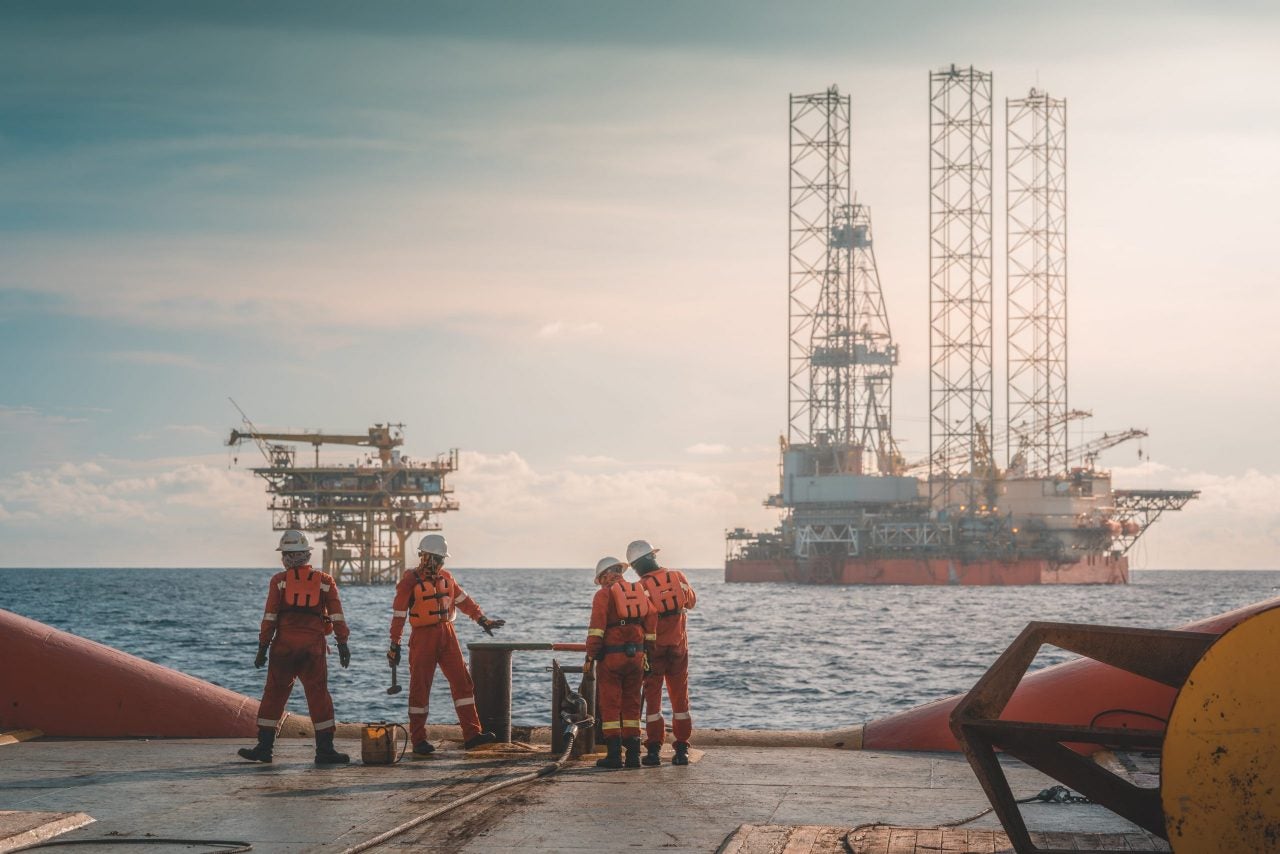
The impact of the Covid-19 pandemic has resulted in thousands of seafarers becoming stranded onboard vessels. Credit: m.afiqsyahm
Thousands of seafarers across the globe found themselves stranded onboard vessels as the Covid-19 pandemic hit, with vessels being unable to dock due to travel restrictions and crew changes being unable to take place. This has seen cases of depression, anxiety and other mental health struggles being reported amongst seafarers at a heightened rate.
Established to assist seafarers struggling with their mental health battles, Mental Health Support Solutions are a team of qualified psychologists whose goal is to professionally support and provide solutions to seafarers and companies.
The company offer a range of support services to help, such as a 24-hour mental health helpline, staff training courses, individual therapy, tailored concepts and much more. According to the company over 50% of all physical illness is caused by mental health issues.
We speak to Charles Watkins, Managing Director, Mental Health Support Solutions, clinical psychologist M.Sc., licensed psychotherapist, to find out more about what the company offers as well as key factors surrounding improving seafarer mental health.
Credit: Mental Health Support Solutions.
Frankie Youd (FY): Could you provide me with some background on your career history and your involvement with seafarer mental health?
Charles Watkins (CW): About three years ago I had a practise with a colleague in Hamburg, a psychological, psychotherapy clinic – she was doing research on seafarers and writing a book on seafarer’s mental health. She explained to me that the rates of mental health issues are very high, but they’re undocumented and there’s no real help for seafarers out there. I said that’s impossible, it’s one of the oldest professions, I’m sure they have organisations that take care of that.
I researched it myself and found out that she was right, there was nothing out there. That’s what got the process started with us offering something to these groups of people who didn’t seem to have much at all. I did my own research, we started interviewing seafarers, we went on to vessels, we try to understand what the challenges were, what the issues were and how to help them. We developed the mental health helpline so they can always reach us, not just for psychological support, but also for crisis situations like piracy or our suicide ideation or any type of violent conflict or psychosis to happen.
Could you provide some background on ‘Mental Health Support Solutions’, how do seafarers get involved?
We started getting a lot of calls after we did videos which we sent to the vessels – they are small psycho educational videos which I recorded and then I hired another clinical psychologist. Together we did videos and we sent them to vessels and asked the seafarers what they wanted and needed. They started communicating with us they said: “We want to know about depression, panic attacks, how to deal with isolation.” We started making those videos and they started knowing us and trusting us enough to give us a call when they needed help.
Then we have bigger cases where we help vessels and seafarers stay safe. We wrote clinical reports to get seafarers off vessels and into treatment facilities, especially during the time where they weren’t allowing people to leave the vessel. We helped them get into treatment hospitals or get off the vessel so they could be looked after and then eventually fly home because of serious mental health issues, or serious challenges and ailments.
Credit: Moto moto sc.
We then started responding to distressed vessels by going there in person. We would go to vessels and would stay either several days or a week and stabilise the crew after something terrible had happened, we help with psychological first aid. We stabilise and make sure that post-traumatic stress symptoms are understood.
What do you think are the key factors when it comes to improving seafarer mental health?
One of the key aspects is how the crew superintendents communicate with the seafarers on the vessel. They’re either communicating strength and resilience or they’re communicating in a way that adds to the challenges and to the suffering of the problems of the seafarers.
“If we have learned anything from this Covid-19 crisis it’s that communication is key.”
If we have learned anything from this Covid-19 crisis it’s that communication is key. How do we communicate empathetically, how do we offer compassion to the seafarers, so they feel heard, understood? How do we make sure they feel supported and have hope and resilience to carry on, especially if they have to extend their contract again and again. We had seafarers that were onboard for 15 or 16 months which is crazy. They couldn’t leave, the communication was so erratic some of the seafarers were jumping off vessels and when they saw the shoreline they jumped into the water and tried to swim to the beach.
1.
The most important thing is training these crew superintendents on how to communicate with the vessels and then train the seafarers on mental health basics. The vessels that were most resistant during the pandemic were the vessels doing a lot of the things that we recommended for them such as social events and social interaction. One vessel held a small Olympics, they did Olympics on darts and on ping pong. The seafarers got together, and they felt less alone.
One of the key components is understanding how even the internet and being able to call home - which is fantastic - have a flip side to them. They're going to their rooms, they're watching videos, isolating, phoning home but not really connecting to people onboard - that's when some of the issues might take place when it comes to feeling disconnected, alone, isolated.
Are mental health issues seen more frequently within a certain seafarer role or age?
Cadets are most at risk, they're most likely to commit suicide, most likely to suffer from depression, quit their job, stop working because they haven't had the chance to build up the skills and the coping strategies you need when you're out at sea.
One of the problems nowadays is that there's a real disconnect between the cadets and the officers’ training them. It used to be that it's not just about the work it's about being a mentor, helping them with understanding what it means to be a seafarer, what you must sacrifice, what are the thoughts we have to battle with and how has that older seafarer been able to make it.
2.
They don’t share that information anymore because after work the cadets leave, they go to their room, go on their smart phone or tablet - they're not socialising after work. They're not eating together, they're not going together into the city when they have shore leave, all that is missing. On a vessel you live, and you work, you must learn certain skills and you only learn that by communicating with other older seafarers.
Do you think that there is a stigma or lack of understanding surrounding mental health within the industry?
Definitely. It has to do with the classical male and female role, is it okay for males to show feelings, what type of spectrum of feelings are they allowed to show? It's kind of odd and is almost comical because in a stadium where you're watching your favourite sports team, men are allowed to cry or expect to cry when their team loses. But then in other situations where you would expect more compassion, traditionally people believe (of course depending on where you're from) men are not allowed to show emotion.
There’s a huge misunderstanding when it comes to mental health, a lot of the time I encounter people who have the opinion that you're either crazy or you're sane and there's nothing in between.
I also lecture at World Maritime University; we launched a course on mental health. It's interesting to encounter people labelling their feelings like depression as a problem, they say: “I'm not okay because I'm depressed, or I'm feeling bad, and then I should feel happy.” I question that I always ask them: “Why do you think you need to feel happy? You’ve just gone through a very hard time of your life but for some reason there's this expectation, why am I not happy?”
Depression has a very important role to play, depression helps us think about our lives. It makes things a bit slower, we don't go out as much, but we're able to think about the things that we're doing in our life, is really what's making us happy, or we might want to change something. Those feelings have their place.
"Feelings shouldn't be categorised, they should be understood, they should be felt, they should be used, they have their purpose - I think normalising that could go a long way.”
Feelings shouldn't be categorised, they should be understood, they should be felt, they should be used, they have their purpose - I think normalising that could go a long way.
What would you like the future to hold for this issue?
I think one goal I'd like to see is the normalisation of having psychological support for people when needed. I want to see the industry understand that this is an important part of keeping seafarers safe and supporting them just as much as medical [care] is. Understanding the body and the mind has to go hand in hand and I would love to see the industry take this seriously and pick it up and say: “Every vessel will have the opportunity to get psychological support or comfort when needed” because it's the right thing to do.
"I think it's irresponsible, reckless, and dangerous to be to be a company that that deals with seafarers and not understand the importance of mental health and how it affects every one of us.”
I would really like to see more awareness for compassionate leadership. Leadership influences the vessel, the way you lead a vessel shapes how the work environment is going to be. We have a lot of calls for bullying and harassment because it's still a huge issue being harassed bullied by your superior. We're creating awareness we're training for it, but it's still a big, big problem [in the] industry and seafarers still believe they need to silently suffer and go through the wringer. I'd like to see the industry step up to the plate and look at the problems that are there instead of ignoring them because these things have been there for a very long time.
I think it's irresponsible, reckless, and dangerous to be to be a company that that deals with seafarers and not understand the importance of mental health and how it affects every one of us.
Access deeper industry intelligence
Experience unmatched clarity with a single platform that combines unique data, AI, and human expertise.