
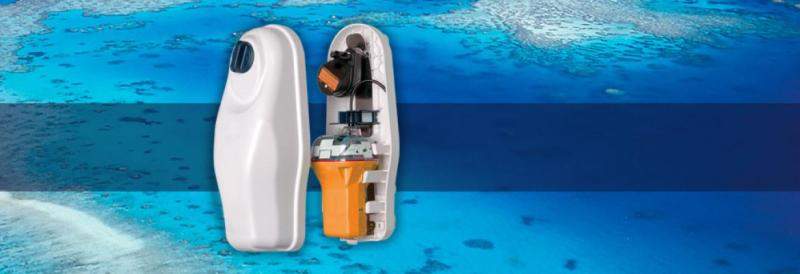
Australian Maritime Safety Authority (AMSA) has made it mandatory for certain types of commercial vessels to install float-free emergency position-indicating radio beacons (EPIRBs) to ensure the safety of the crew and passengers on vessels in distress.
Scheduled to be effective from 1 January 2021, the rule will cover the fishing, passenger and non-passenger domestic commercial vessels that are equal to or bigger than 12m in length and operate beyond two nautical miles from land.
Go deeper with GlobalData


Discover B2B Marketing That Performs
Combine business intelligence and editorial excellence to reach engaged professionals across 36 leading media platforms.
It will also include the fishing, passenger and non-passenger domestic commercial vessels that are less than 12m in length and with operation in restricted offshore waters and without any level flotation.
All hire and drive vessels operating in restricted offshore waters, which are equal to or more than 12m long, or less than 12m with no level flotation will also be required to adhere to the new mandate.
New, existing and transitional vessels, as well as vessels that have been exempted from the requirement to have a certificate of survey, will also be covered by the new rule.
However, the rule will not include vessels without level flotation that are less than 12m in length and operating in D and E waters.
It also exempts coastal life rafts and follows RBs, offering significant safety advantages to crew and passengers on vessels in distress.
This change to safety requirements is in response to tragic incidents where commercial vessels sank quickly and the master and crew were not able to deploy their EPIRB in time.
AMSA Standards general manager Brad Groves said: “If a vessel rapidly capsizes or sinks, the survival of the passengers and crew depends on the transmission of a distress signal.
“A float-free auto-activating EPIRB can send a call for help within minutes of being submerged in water, without any action by the crew.”
AMSA further noted that a two-year transition period will be provided to the operators to comply with the new rule, which is expected to prevent the kind of incidents where commercial vessels sank quickly and the master and crew were not able to deploy their EPIRB in time.


