
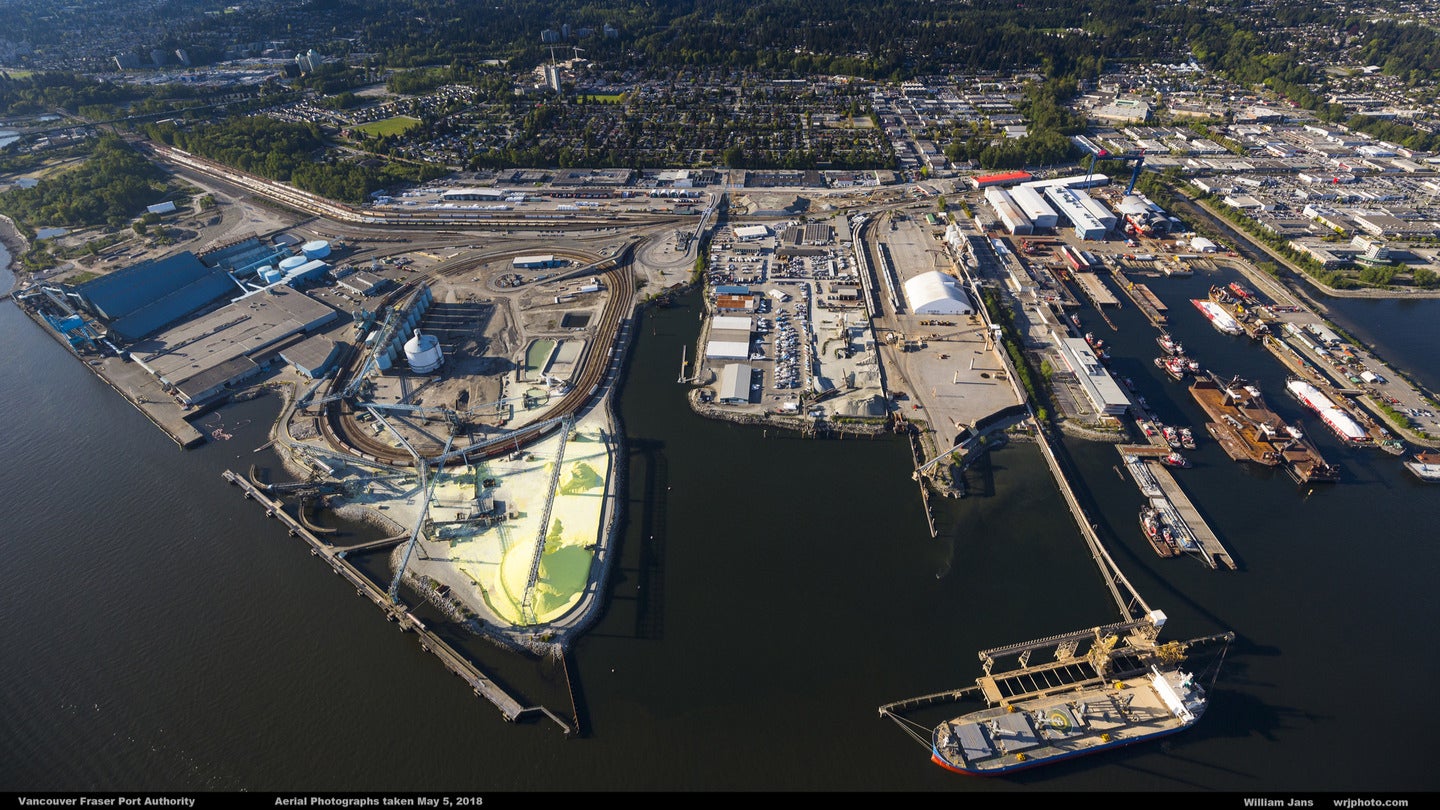
The strikes that have left a number of Canadian ports, including the country’s largest in Vancouver, at a standstill for almost two weeks have come to an end following a tentative agreement between the port workers union and the employers association.
The 13-day strike action at ports in the province of British Columbia came as a result of a dispute between the International Longshore and Warehouse Union Canada (ILWU Canada) and the B.C. Maritime Employers Association (BCMEA).

Discover B2B Marketing That Performs
Combine business intelligence and editorial excellence to reach engaged professionals across 36 leading media platforms.
The agreement came only ten minutes before a deadline set by federal mediators, and while it still needs to be ratified by both organisations, it meant that work at the ports began again on the afternoon of 13 July.
A statement from the BCMEA said it recognised and regretted the significant disruption the disagreement had caused to businesses, workers, customers, and the wider economy.
It said: “We must collectively work together to not only restore cargo operations as quickly and safely as possible but to also rebuild the reputation of Canada’s largest gateway and ensure supply chain stability and resilience for the future.”
Additionally, the BCMEA thanked the work of Federal Mediation and Conciliation Service officers and the Canadian Minister of Labour Seamus O’Regan Jr. for their work in setting out the recommended settlement terms that had been agreed on.
As the details of the agreement are yet to be ratified, they have not been released to the public though the concern for many now turns to addressing the backlog of the over 63,000 shipping containers suspected to be waiting to be unloaded at the 30 ports in B.C..
A statement O’Regan said: “The scale of this disruption has been significant. The extent of it has shown just how important the relationship between industry and labour is to our national interest.
“Deals like this, made between parties at the collective bargaining table, are the best way to prevent that.”
Both organisations had previously accused each other of refusing to move on a deal, with ILWU Canada claiming that the BCMEA frequently used third party workers to carry out maintenance work.
In response, the association said that the ILWU Canada workforce was not large enough to carry out all of the work needed by its members.


