
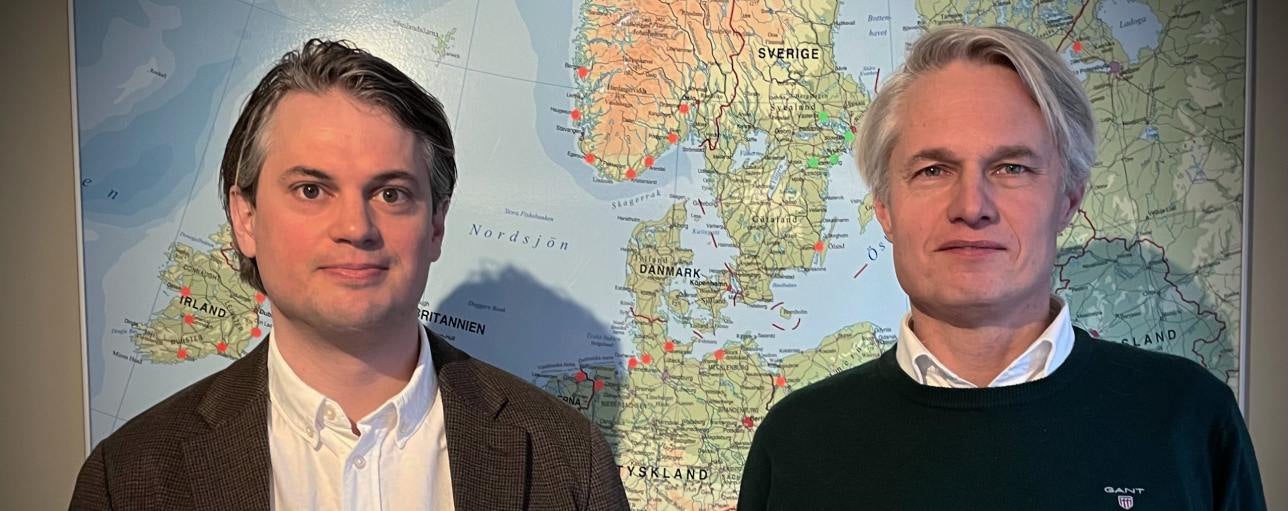
In partnership with Responsible Shipping Initiative (RSI), DNV has commenced a feasibility study to outline a commercial framework for new green-fuelled vessels.
RSI is an association of Swedish dry bulk charterers.
Go deeper with GlobalData


Discover B2B Marketing That Performs
Combine business intelligence and editorial excellence to reach engaged professionals across 36 leading media platforms.
The move is expected to help decrease carbon dioxide emissions at sea in the Baltic and North Sea region as well as other parts of the world.
It will also allow RSI members to cut their Scope 3 emissions and meet their sustainability goals amid increasing market demands and regulatory reporting obligations on various environmental objectives.
Assisted by research and development (R&D) funding from Trafikverket, the Swedish traffic administration, the new study will focus on exploring opportunities for green fleet renewal.
This will be done by examining transport systems as well as interacting with cargo owners, shipowners, suppliers and authorities.
The study will ultimately help speed up the regional sea trade energy transition.
RSI chairman and EFO sustainability and logistics manager Sebastian Tamm said: “Despite great strides being made to reduce our carbon footprint from land transport, progress has been lagging in shipping, even though this accounts for a large share of our transport needs.
“This market-driven initiative is a great opportunity to share knowledge, define parameters and standards, find common ground and discuss possible synergies to determine what is achievable in relation to future shipping needs.”
Through the study, outcomes of launching new vessels will be examined on the basis of two alternative green ship concepts.
One of these concepts, called the ECO-Bulk concept, is developed to minimise emissions as much as possible within the existing commercial norms.
The other concept, dubbed the ZERO-Bulk concept for zero emissions, is aimed at forging additional alliances and extended commitments among stakeholders.
In addition, the study will review various situations based on current commercial frameworks along with alternative business models, including partnerships between shipowners and bunker suppliers as well as support from public investment.
New environmental regulations, such as the EU’s Emissions Trading System for shipping, will also be taken into consideration during the project.
Last November, DNV reached a memorandum of understanding (MOU) with Singapore’s Maritime and Port Authority (MPA) to extend their partnership in the areas of maritime decarbonisation and digital innovation.



