
AirFish 8 WIG Craft
AirFish 8 is a Type A-class wing-in-ground (WIG) marine craft being developed by Wigetworks.
Frequentis is a provider of communication systems for coastal surveillance, emergency response, and navigational programmes. The programmes work within maritime control centres to enhance communication in ship networks.

You have successfully submitted your enquiry. Someone from our company will respond ASAP
Frequentis is a provider of communication systems for coastal surveillance, emergency response, and navigational programmes, which work within maritime control centres to enhance communication in ship networks.
Frequentis offers a programme to provide precise information and workflow support for emergency operations. The Search and Rescue solution acts quickly with precision in complex, data-intensive situations through an intuitive, graphical interface.
The programme helps operators react rapidly and efficiently to emergencies, backed by integrated Global Maritime Distress and Safety System (GMDSS) compliant operations.
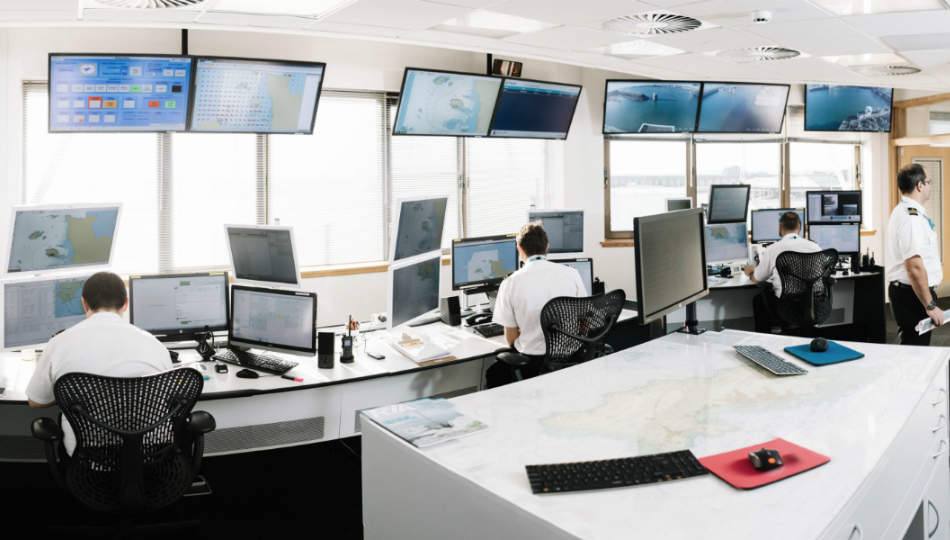
A coastal surveillance system (CSS) is ideal for ensuring safety for locations along the shoreline. The system gives authorities the necessary survey, control and communication tools within their territorial waters. It is a solution that seamlessly combines information and communication.
Security requirements have changed along with global developments, meaning that coastal regions are vulnerable to threats from the sea, such as enemy attacks. This requires a higher degree of surveillance to control and protect maritime domains. The CSS allows nations to control and survey their exclusive economic zone.
Based on the standardised Frequentis Maritime Communication System 3020 product family, the MCS CSS equips users with a multi-centre functional base to meet specialised functions and capabilities for CSS environments.
The system supports multiple voice resources and applications all built for network coverage, including digital selective calling (DCS), Navtex, and radio remote control.
The CSS works using different information layers. The sensor layer inputs data from RADAR, automatic identification system (AIS), optical or infrared devices. The network layer is the base of the network, and the remaining layer is the integrated platform of communications technologies.
With more than 90% of world trade being carried out by the international shipping industry, maritime operations are a vital part of the market value chain. However, the maritime economy is highly competitive and not all ports generate large revenues.
Safety, efficiency and security become key factors for financial success. To achieve these goals, highly capable systems are required.
The Frequentis vessel traffic service (VTS) aims to provide active monitoring and navigation for ships in confined and congested waterways. It enables ships to communicate with control centres with an easy-to-use and reliable interface.
To meet current marine communication needs, Frequentis has developed coastal radio (CR) services. This enables ships to communicate with the shore, other vessels and telephone lines subscribed to the service.
The CR is a part of the MCS 3020 range. It is equipped with special capabilities and functions for use in a marine environment, providing communication for ships.
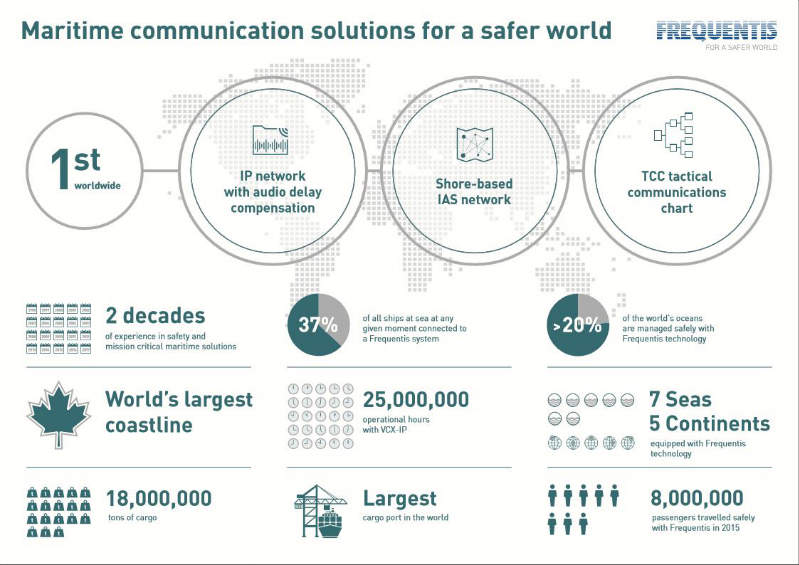
Frequentis has two decades of experience in the maritime industry, along with 70 years in air traffic control (ATC). Frequentis programmes are developed for data sharing within defence and security organisations.
Utilising experience from airport, public transport, defence, and public safety industries, Frequentis offers functional support to meet the needs of maritime rescue coordination and traffic management systems.
This cross-industry product development enables maritime solutions to leverage lessons learned from other Frequentis organisations and tailor them to the needs of the customer. An example of this is the incident management workflow capabilities initially developed for railway and urban transport solutions, which enable sharing of workflow across different industries.
Frequentis is becoming a leader in communications technology development and information management systems by working with technology advancements that enhance data exchange and response times.
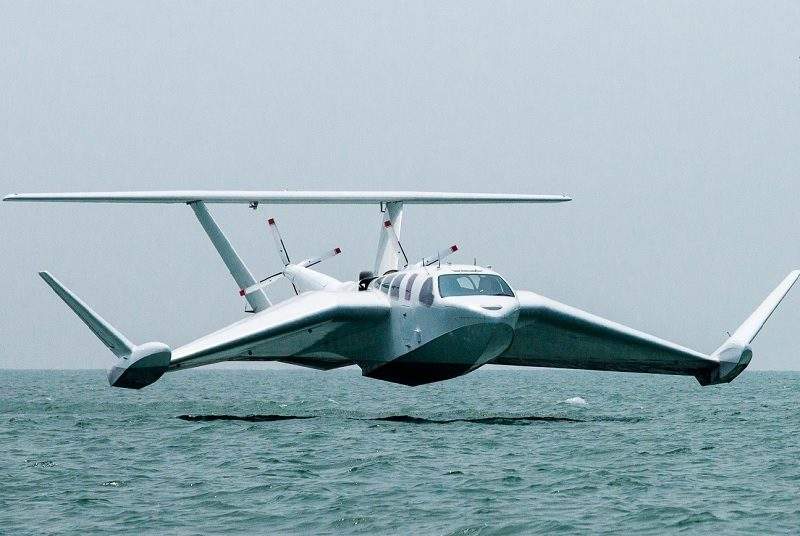
AirFish 8 is a Type A-class wing-in-ground (WIG) marine craft being developed by Wigetworks.
Revenue increased by 15.7% to €386m, order intake rose by 21.5% to €405m, and orders on hand intake went up by 11.6% to €522m.
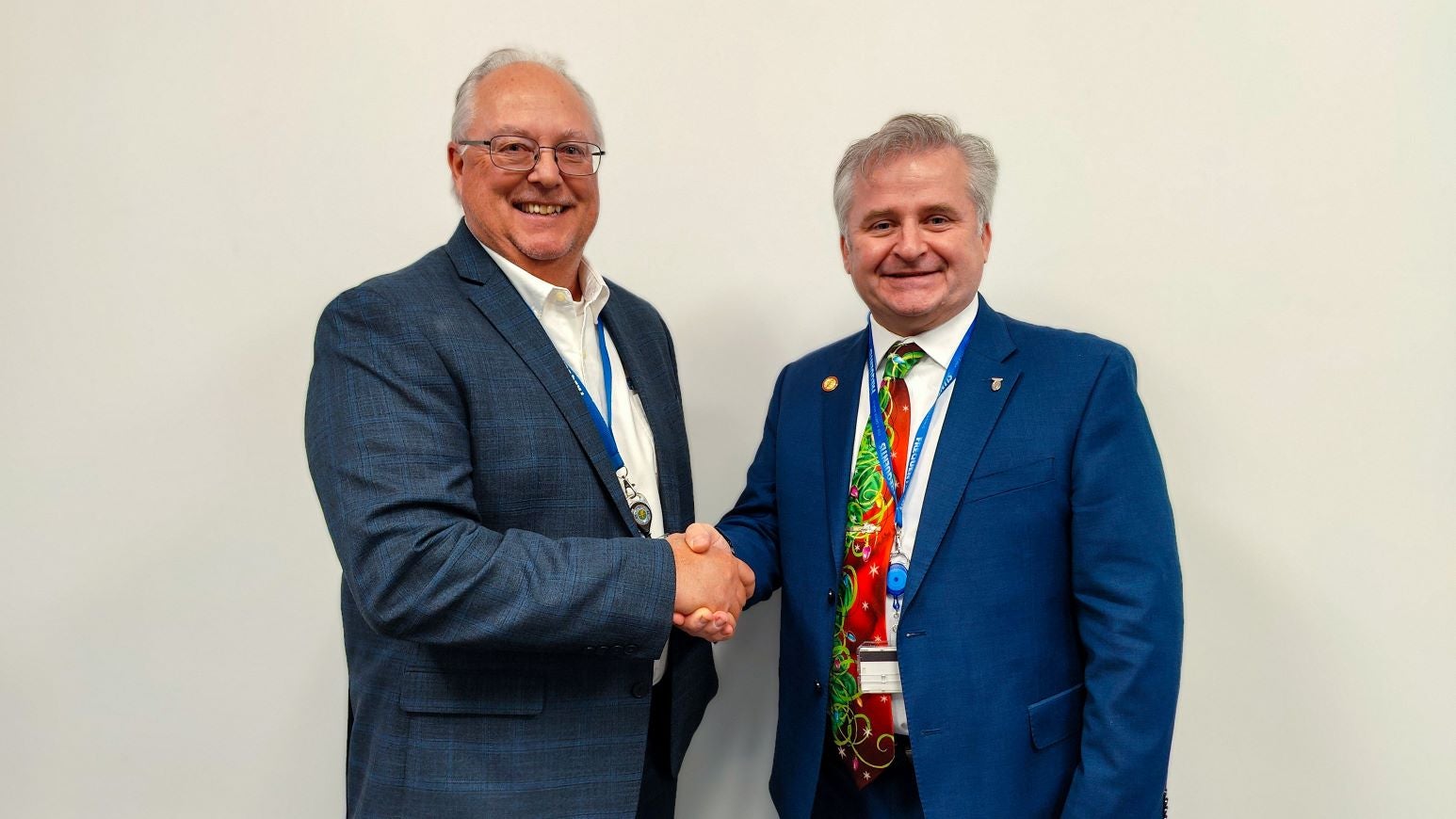
After ten years of successfully leading the growth of Frequentis USA, Leonard Swiontek is stepping down from his position, handing over the management of the company to Dieter Eier, previously vice-president for Products and Solutions.
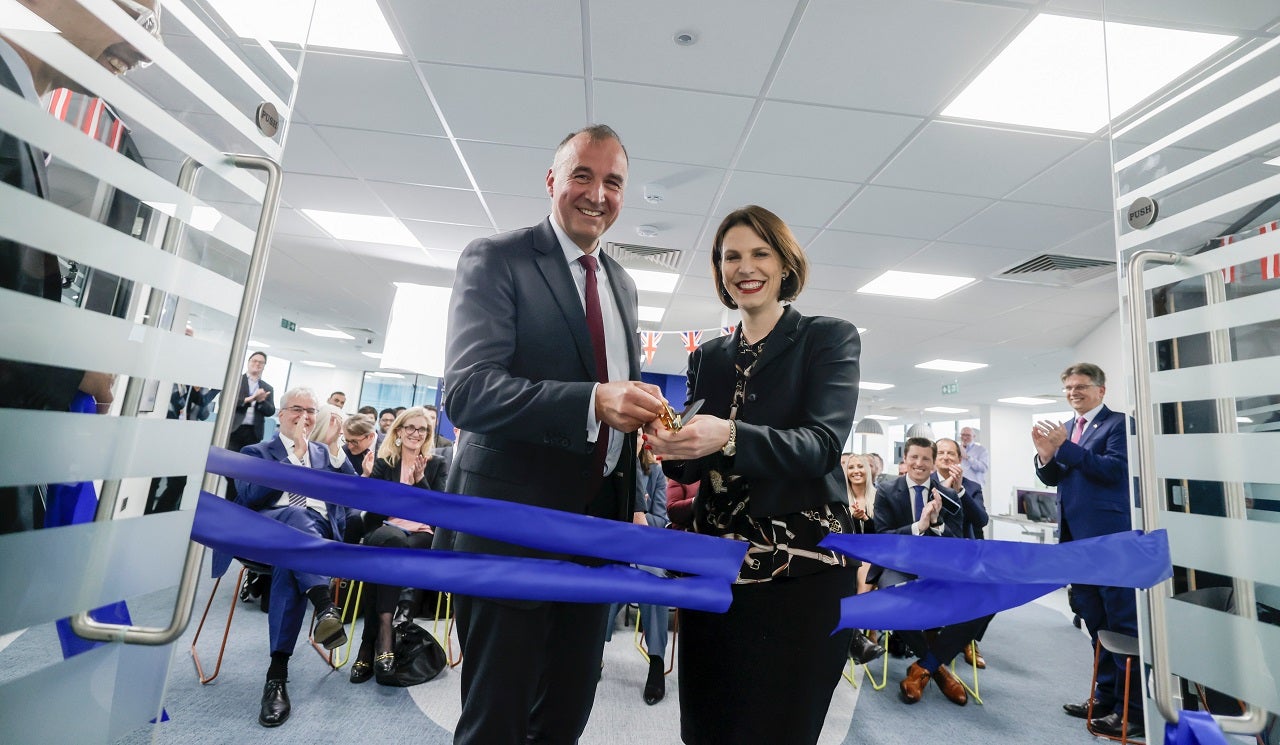
Frequentis UK makes up one of the most strategic subsidiaries of the Frequentis Group – a Global supplier of critical communications for safety-critical control rooms, for 75 years.
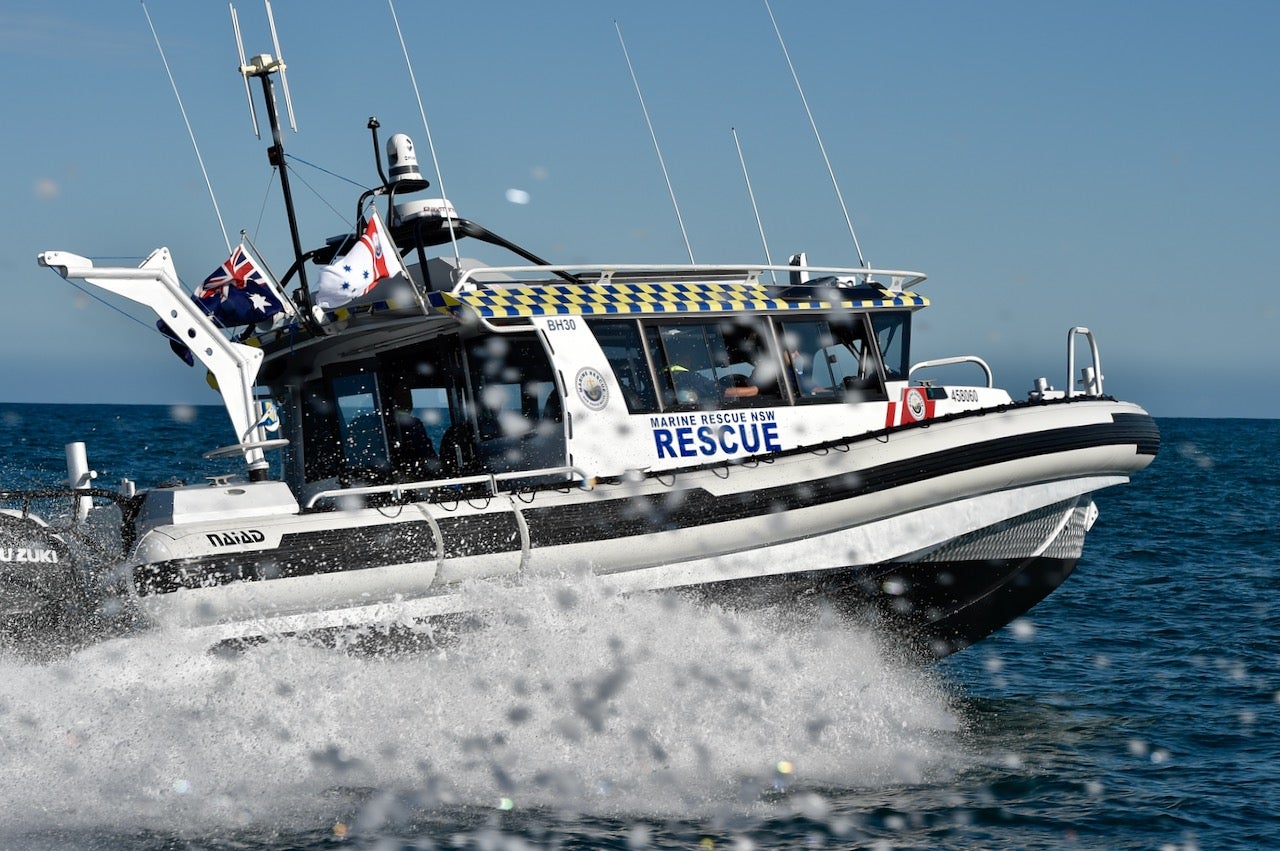
Australia’s Marine Rescue New South Wales (NSW) selected the Frequentis integrated maritime control centre solution to enhance its emergency response to save lives on the water.
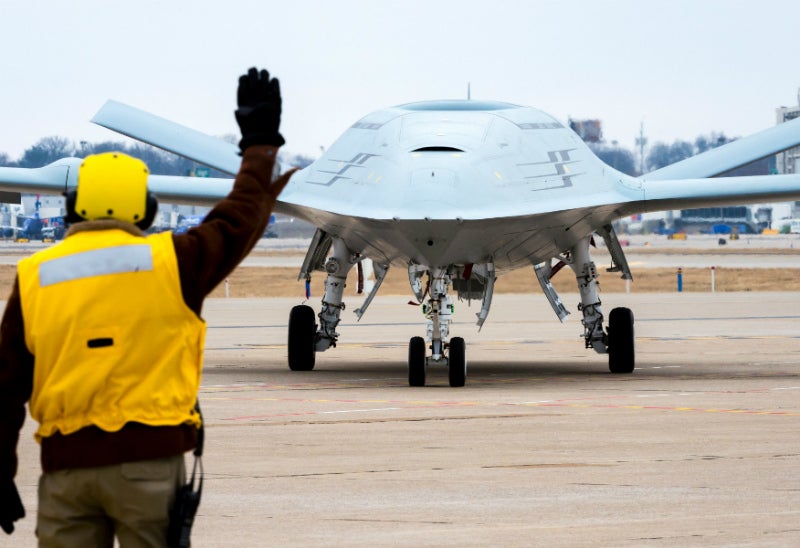
Frequentis has been selected to provide the IP-based voice communications system for the US Navy’s Unmanned Carrier Aviation Mission Control System (UMCS) MD-5 control station, in support of the MQ-25 programme.
Norbert Haslacher has been appointed as Frequentis chief executive officer at the company's annual general meeting.
Kordia has received ten virtual operator positions from Frequentis to improve Global Maritime Distress and Safety System (GMDSS) communications and safety along the coast of Victoria, Australia.
Telkom Maritime Services will install a Frequentis coastal Global Maritime Distress and Safety System (GMDSS) solution in South Africa for the South African Department of Transport.
Technical expertise and innovation have enabled Frequentis to become a global leader in the railway industry since it was founded in 1947.